

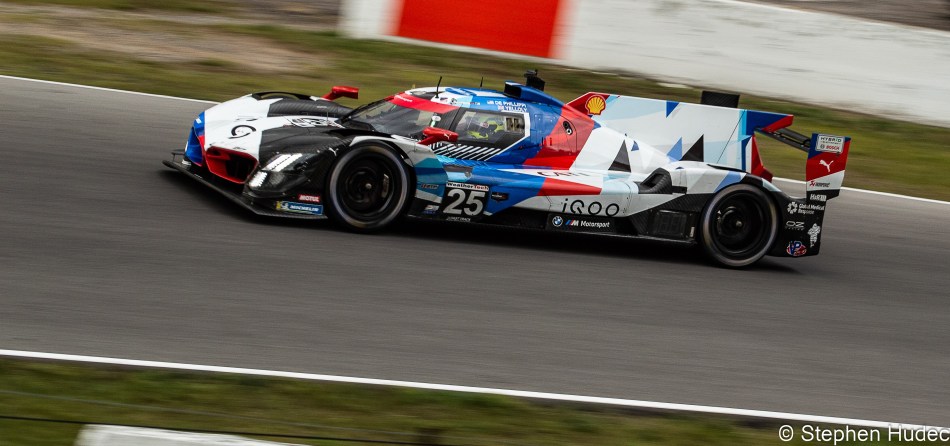
Hello and welcome back to another edition of Steve’s Motorsport Blog. Now that this year’s World Endurance Championship is complete, I want to discuss the present era of Sportscar Racing’s top class; Hypercar/LMDH/GTP. I will cover how it is going, and the future of the class has in store.
The current sentiment about the class, is that, (to borrow John Hindhaugh’s term) we are in the “Platinum Era” of sports car racing. I think this perfectly describes the feeling at the moment. For reference the “Golden Era” would have been back in the 80’s during the Group C regulations.
The current regulations got off to a slow start in 2021-22, but we finally got the long awaited Hypercar / LMDH / GTP class firing on all cylinders in 2023. That year was a bit of a learning curve on how to balance the two classes together, but I’d say it’s working really well right now in 2024. In the WEC, the EoT hasn’t really been all that controversial, certainly not in the same way the old BoP was in the LMP1 / DPi era.
Regardless of how it’s been done, it’s been a huge success, given an LMDH team (Penske Porsche) won the drivers & teams championships but a Hypercar team (Toyota GR) won the manufacturer’s championship.
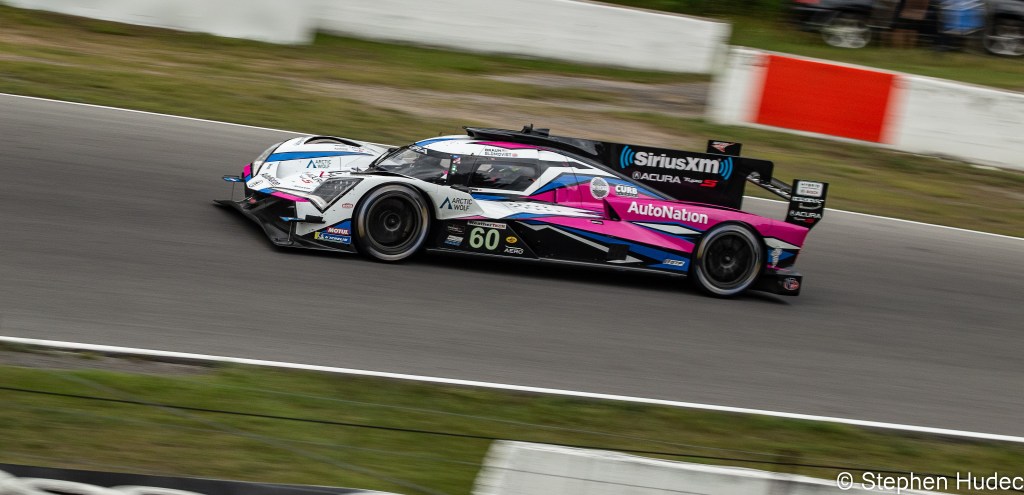
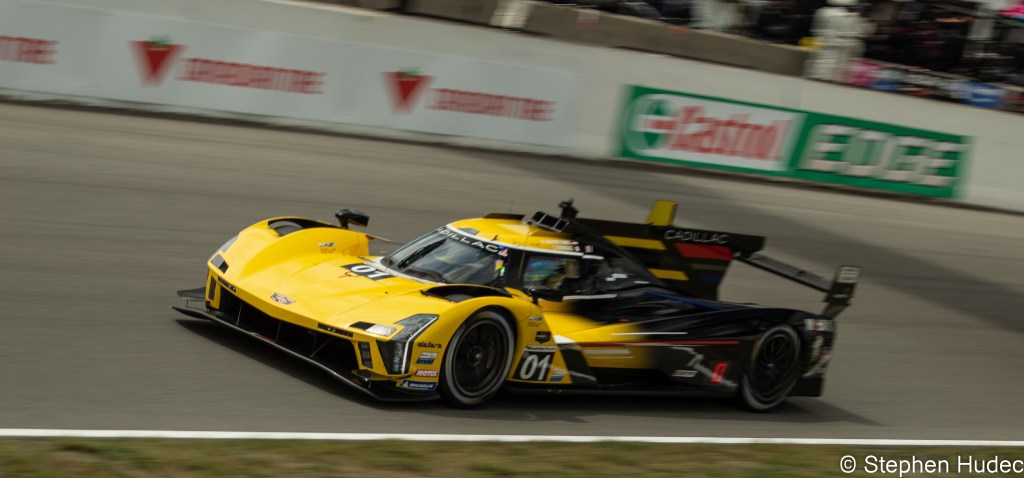
The list of manufacturers presently taking part is staggering: Acura, Alpine, BMW, Cadillac, Ferrari, Isotta Franschini*, Lamborghini, Peugeot, Porsche, Toyota and Vanwall*. Not only those, but add the manufacturers who have committed to joining in the next couple years; you get Aston Martin and Genesis (read more about the latter in my latest SRC). Furthermore, you get two more probable but highly rumoured entries of Mercedes and McLaren.
However, it hasn’t been all rosy for everyone that has competed. With that in mind, let’s pour one out for Glickenhaus who ran for 3 years before backing out due to financial/performance reasons.
This level of commitment from so many manufacturers hasn’t been seen since the Group C days of the 1980’s. For reference, the 1989 24hrs of Le Mans had a total of 11 different constructors in the C1 class. More importantly, not since around then, has there actually been a single class covering the top tier on both sides of the Atlantic. This allows the same cars to duke it out at Daytona, Sebring and Le Mans for overall victory.
This an incredible win for racing fans. The variety of cars coupled with fairly balanced performance across all models, ensures that it is not the same car winning every race. Each of the 4 full-time manufacturers entered in IMSA, won a race this year. In WEC, we had Ferrari, Porsche (both Penske & JOTA) and Toyota win at least one race this year.
Although Alpine, Lamborghini and Peugeot had new or heavily revised models this year, they were down on performance relative to the previously mentioned cars. I expect them to close the gap in 2025 after a winter break of analysing data and making permitted “joker” changes.
It’ll be a mystery as to how the non-hybrid Aston will get on in it’s first year of competition, but I hope they hit the ground running. It certainly will be the best sounding Hypercar of the bunch with its glorious V12 engine.
Coupled with being a hit with the manufacturers, it’s been a huge hit with the teams as well. We’ve seen bumper-grids across IMSA and WEC, and that also proves just so healthy the sport is now adays. When (as a series) you have the luxury to hand-pick which entrants come to your series, you know you’ve done something right.
Not only that, but numerous IMSA events where the GTP field have competed have been breaking all-time attendance records. The WEC have also seen lots of attendance at their events as well. I expect that to continue on, especially as more manufacturers sign up to compete. I will have to make my way down to the States to witness these newer cars (Aston and Lamborghini) for myself. I’m still holding out hope they come to Mosport with a schedule tweak, but that’s a separate topic all together.
One question that is also on my mind is “how long will it last?” With the recent announcement that IMSA and ACO extended the Hypercar/LMDH rule set until 2028 and with the Hydrogen sub-set of regulations being targeted for 2026 or 2027, I can see these being extended again until 2030.
Alternatively, I can see perhaps an extension until 2032 from 2028, but allowing for manufacturers to completely overhaul the cars (or at least the styling and powertrain, but keep the chassis otherwise). If they did this, I can see an increased amount of electrical energy being used instead of the ICE, similar to what F1 will be doing in 2026 compared to the present powertrain regulations.
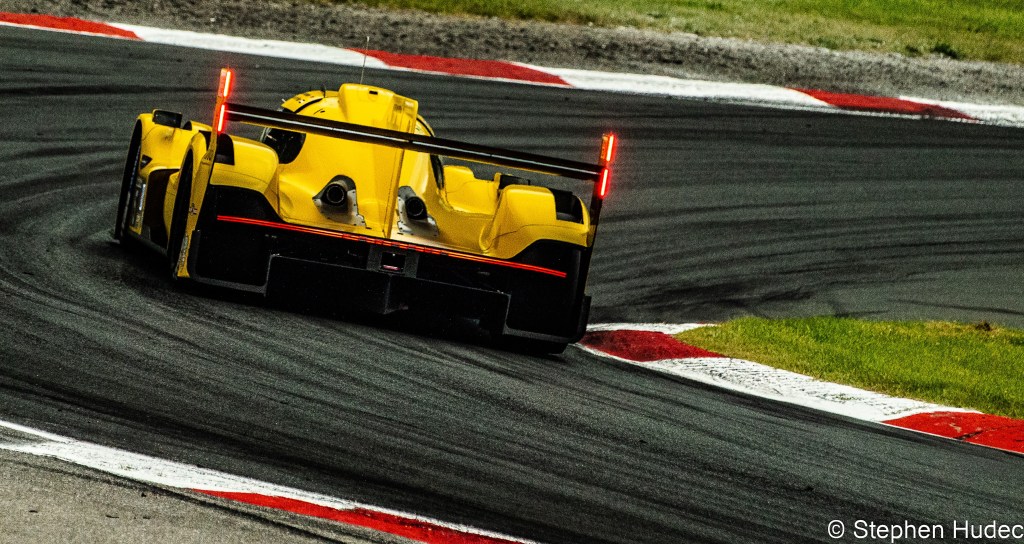
If they do that, they’ll have to be careful not to make things too complicated or expensive. It’s one reason why the hypercar build rules came to be, as the hybrid LMP1 regulations made WEC teams rival F1 for budgets. The same happened when the World Rally Championship went hybrid. It was ok-ish for a couple of years but manufacturers threatened to (or actually did) pull out due to costs. It was so bad, the WRC had to abandon the hybrid powertrains to keep the entries starting with the 2025 season.
With the hydrogen fuel powertrains in development stages and the likes of Toyota and BMW publicly interested in switching to that, it could yield even more variety to the class. My worry is that it might make the cars too expensive to run and maintain versus the current cars, but we’ll have to see how it goes.
In theory it’s a perfect go-between from what we have today and a fully electric series. I don’t think battery electric cars would make sense unless they found a way to pack a huge amount of potential energy in a small enough form factor to hot-swap batteries during a pit stop. I doubt you could get enough on a super charge of around 1min in duration.
Formula E is trying this but the cars are much smaller, so they don’t need as much energy, not to mention that they run a sprint format. Thus, they’d only need something equivalent of a top up or splash-and-go to make it to the end of the race.
The only remote comparison we have is the short-lived eTCR World Cup, where battery-electric TCR cars competed in a rallycross-esque heat race format, presumably due to the battery capacity. Obviously this wouldn’t work for a series famous for running 24hrs straight, so they’d have to take care to not jump the gun early.
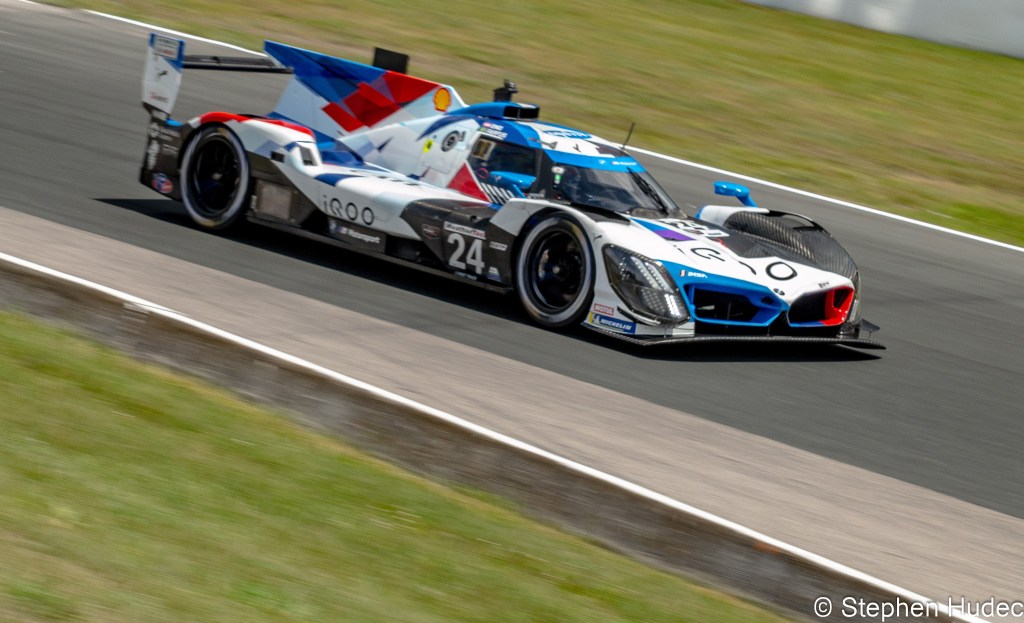
Ultimately, I see the series eventually converting to hydrogen, either in fuel cell or hydrogen combustion engine (HCE) form, or possibly both.
As for the immediate future, I hope Aston Martin come out swinging in Bahrain this winter and hopefully can be competitive on both sides of the pond, as Porsche have. I also hope that Lamborghini, Alpine and Peugeot find some speed in the off-season and give Ferrari, Porsche and Toyota some stiffer competition. BMW, I felt was unlucky a bit this year in WEC, so they are already positioned to succeed.
For me personally, I hope to see these cars again sometime soon, especially when the newer models from out (or the ones that debuted in 2024). These cars are so popular right now, and for good reason. The powers that be also need to make sure they don’t mess up the formula when the time comes to iterate.
Here’s to 2025! Have yourselves a very happy holiday break, and a wonderful New Year!
*These two manufacturers are unconfirmed for 2025 but remain interested in competing.
Thank you so much for reading this post, it was quite a long one. If you liked it, please hit the like button, leave a comment and share with your groups and friends. If you are a WordPress user, please also consider subscribing to the blog (it’s free!) so you can get the latest updates as they come out.
 Steve's Motorsport Blog
Pingback: SRC: GT3h – Steve's Motorsport Blog
Pingback: Future of WEC/IMSA? – Steve's Motorsport Blog